


Plate Type Shield Armoring Machine
The machine is mainly used for multi single-layer copper wire or aluminum wire shielding. It also has functions such as non-metallic taping.
- Product Details
- Applications
- Technical Parameters
- RFQ & FAQ
Product Overview
The machine is mainly used for multi single-layer copper wire or aluminum wire shielding. It also has functions such as non-metallic taping.
Structural Features And Configuration
Plate stranding cages: The core of the machine is the stranding plate. It accommodates a large number of bobbins in a concentric arrangement. The compact plate design reduces centrifugal force, allowing for smooth operation even with many wires.
Tension control system: Copper is expensive and soft. Our pay off bobbins on the plate feature sensitive tension mechanical or magnetic brakes to ensure every wire is paid off with equal force, minimizing scrap and ensuring a tight screen.
Product Images And Drawings
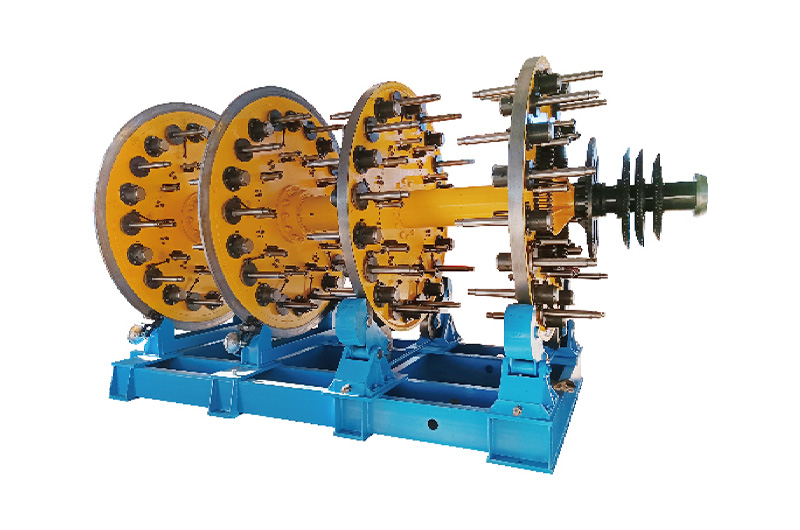
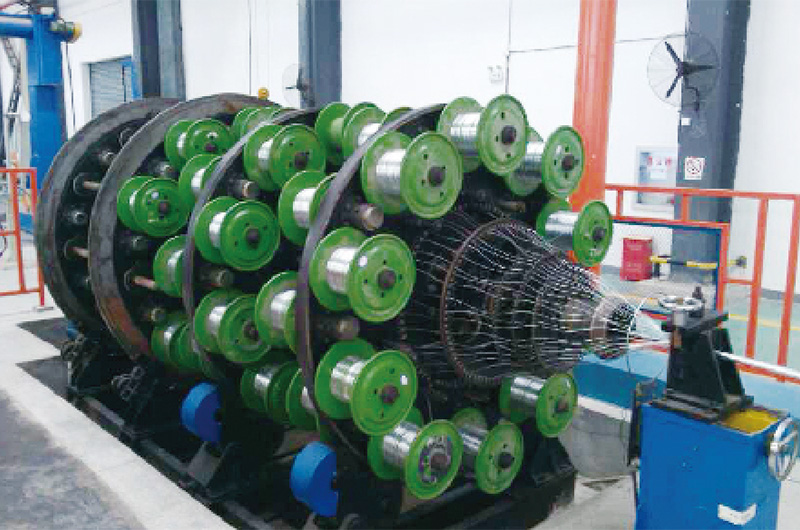
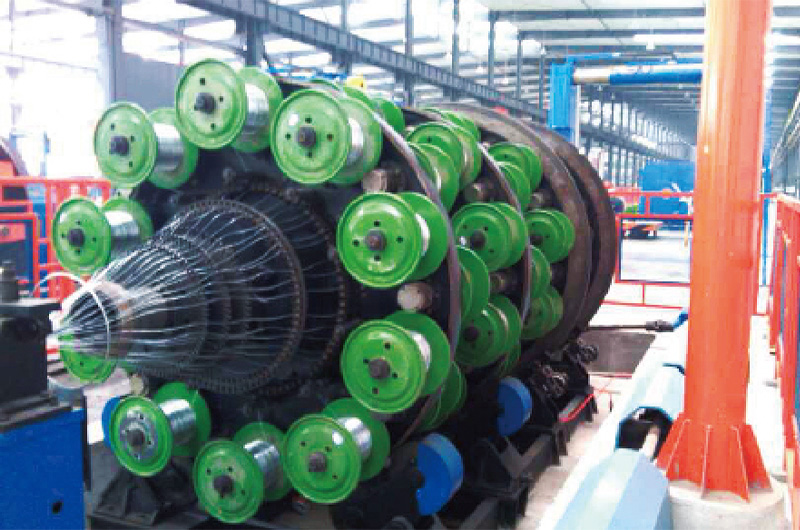

Applications And Process Scope
Designed to support a wide range of wire and cable processing requirements with flexible drive and tension configurations.
Copper wire shielding: Applying a concentric layer of copper wires (Essential for MV/HV cables).
Aluminum wire shielding: Used for lightweight, non-magnetic armoring requirements.
Combined layers: Simultaneous application of non-metallic tapes (to bind the wires) and steel tapes (for mechanical protection) in one line.
Technical Specifications
Technical data for the PN250, PN315, PN400 planetary stranding machine models.
| Type | PN250 | PN315 | PN400 |
|---|---|---|---|
| Single wire dia. (mm) | Steel: 0.9-2.5 | Steel: 0.9-2.5 | Steel: 0.9-2.5 |
| Copper: 0.5-1.5 | Copper: 0.6-2.0 | Copper: 0.9-2.0 | |
| Max. Stranded dia. (mm) | 40 | 70mm | 100 |
| Cage rotation speed (rpm) | 29.6-67.7 | 28.2-62.8 | 28.2-62.8 |
| Traction speed (m/min) | 4,3-32 | 5.27-40.07 | 5.27-40.07 |
| Stranding pitch (mm) | 63.5-1081 | 84-1420 | 84-1420 |
| Bobbin in the cage | PN250 | PN315 | PN400 |
| Taping rotation speed (rpm) | 169-387 | 169-387 | 169-387 |
| Taping pitch (mm) | 11-189 | 11-207 | 16-285 |
| Capstan wheel (mm) | Ø1250 | 2000 | Ø2500 |
| Central pay off | PN800-PN1600 | PN1250-PN2500 | PN1250-PN2500 |
| Take up | PN1000-PN2000 | PN1250-PN2500 | PN1250-PN2500 |
| Main motor (kw) | 37 (AC) | 55 (AC) | 55 (AC) |
Frequently Asked Questions
Find answers to common questions about product selection, configuration and technical requirements.
Information required for quotation?
Intended product; material and input/output diameter; wire quantity, finished diameter, and required pitch; required speed; electrical supply and floor space.
How should the correct model be selected?
Match the required parameters to Section 5, then confirm the final configuration in a product-specific technical agreement.
Are optional or customized configurations included?
Only changes and optional devices expressly listed in the final technical proposal and supply scope are included.
Which values govern the final purchase?
Catalog data are transcribed from the supplied source; the signed technical agreement governs the final scope and values.

