


Drum Twister Laying Up Machine
The machine is the "Giant" of cable machinery, designed specifically for the cabling and armoring of large-diameter, extra-long power cables. Unlike planetary stranders where the heavy pay off bobbins must rotate, the drum twister operates on a different principle: the pay-off stands are stationary (or rotate slowly), while the massive take up rotates to twist the cable. This design allows it to handle the heaviest cables in the industry, from Low Voltage to Extra High Voltage (EHV).
- Product Details
- Applications
- Technical Parameters
- RFQ & FAQ
Product Overview
The machine is the "Giant" of cable machinery, designed specifically for the cabling and armoring of large-diameter, extra-long power cables. Unlike planetary stranders where the heavy pay off bobbins must rotate, the drum twister operates on a different principle: the pay-off stands are stationary (or rotate slowly), while the massive take up rotates to twist the cable. This design allows it to handle the heaviest cables in the industry, from Low Voltage to Extra High Voltage (EHV).
Structural Features And Configuration
Rotating take-up & caterpillar: It supports the take up drum and rotates it to impart the twist to the cable. It is synchronized with a rotating caterpillar to ensure constant pulling force.
Rotating pay off: For sector cables, they can rotate to maintain the correct angle of the sector cores entering the die.
Integrated armoring & screening
Steel belt armoring head: For applying steel tape protection.
Copper wire screening head: For applying copper wire screens required in HV cables.
Non-metallic taping head: Isolate live conductors to prevent short circuits between multiple cores, or between conductors and the external environment.
Product Images And Drawings
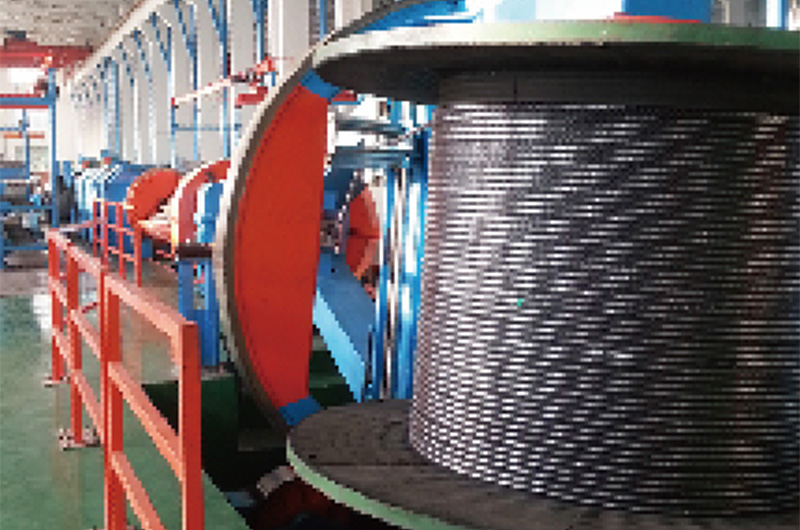
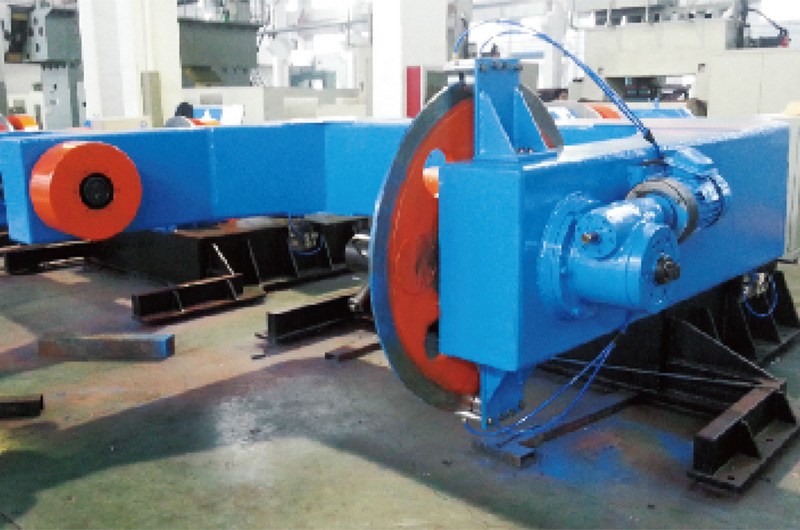
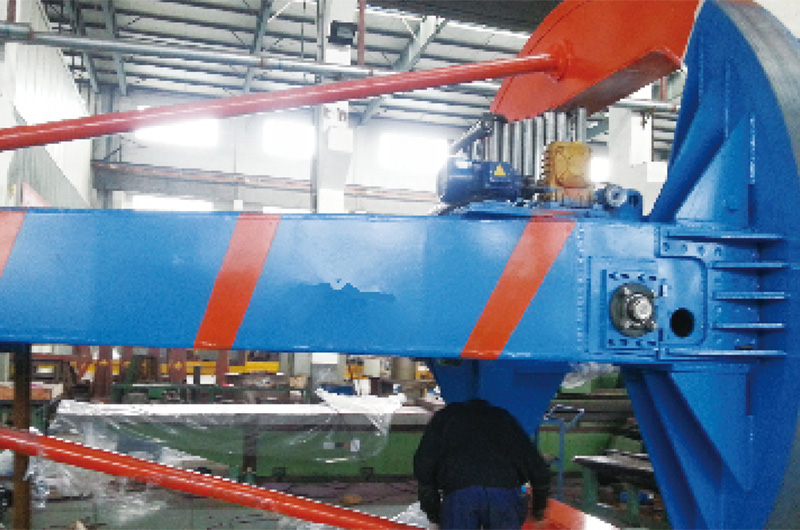

Applications And Process Scope
Designed to support a wide range of wire and cable processing requirements with flexible drive and tension configurations.
Power cables: Cabling of Low, Middle, and High Voltage cables.
Large sections: Ideal for assembling large conductors (including Milliken conductors).
Armoring & Screening: Inline application of steel belt armoring or copper wire screening.
Submarine cables: Capable of handling long-length submarine cables.
Technical Specifications
Technical data for the Customized planetary stranding machine models.
| Model | Drum O.D. (mm) | Max. Loading weight (kg) | Max. Rotation speed (rpm) |
|---|---|---|---|
| 1600 | 1100 | 4000 | 100 |
| 1800 | 1300 | 6000 | 100 |
| 2000 | 1500 | 8000 | 60 |
| 2200 | 1700 | 10000 | 60 |
| 2500 | 1900 | 12000 | 40 |
| 3150 | 2300 | 15000 | 35 |
| 3500 | 2300 | 25000 | 25 |
| 3600 | 2300 | 25000 | 25 |
| 4000 | 2400 | 30000 | 20 |
| 4200 | 2400 | 30000 | 20 |
Frequently Asked Questions
Find answers to common questions about product selection, configuration and technical requirements.
Information required for quotation?
Intended product; material and input/output diameter; wire quantity, finished diameter, and required pitch; required speed; electrical supply and floor space.
How should the correct model be selected?
Match the required parameters to Section 5, then confirm the final configuration in a product-specific technical agreement.
Are optional or customized configurations included?
Only changes and optional devices expressly listed in the final technical proposal and supply scope are included.
Which values govern the final purchase?
Catalog data are transcribed from the supplied source; the signed technical agreement governs the final scope and values.

